
The Kitiganik School Educational Experience

Discover what makes the educational experience at Kitiganik Kinamagewin exceptional and different. We are committed to providing a stimulating and unique learning environment for every student.
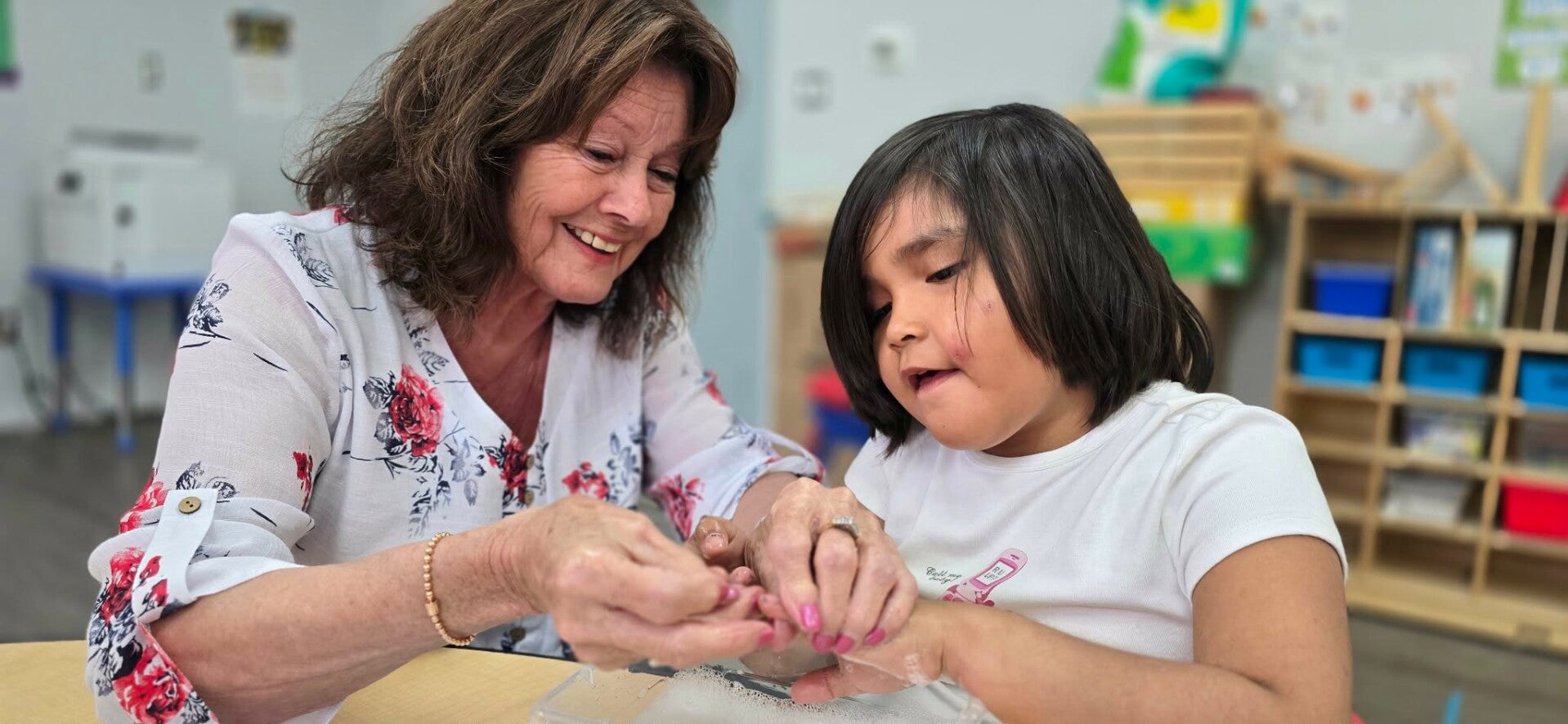
An overview of our  school program

The Kitiganik Educational Experience

Kitiganik Kinamagewin offers a unique school program that blends strong academic foundations with traditional Anicinabe culture. Our approach supports the Whole Child—helping students grow as capable, grounded, and successful learners.
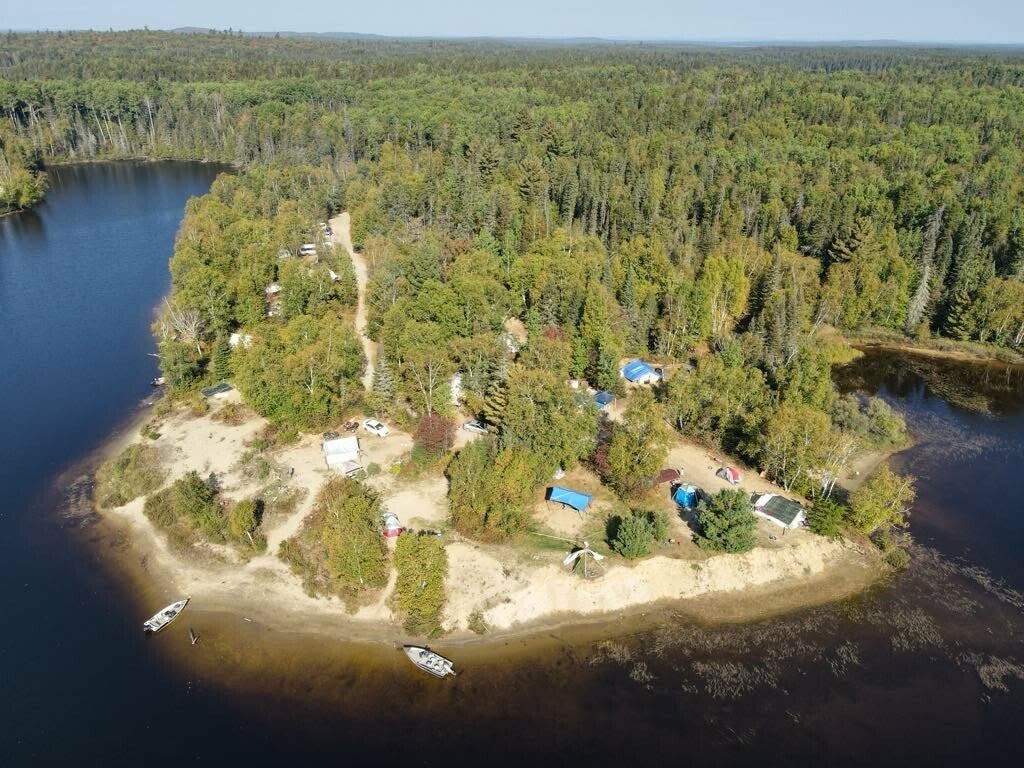
 

Land Based Learning

At Kitiganik School, students learn through hands‑on, land‑based experiences that connect classroom learning with the land, culture, and community. Learning happens both indoors and outdoors, helping students build real‑world skills, cultural pride, and confidence.

Alongside land‑based activities, students develop strong academic foundations in literacy, numeracy, critical thinking, and problem‑solving. Our approach supports the whole child—helping students grow as capable, grounded, and successful learners.

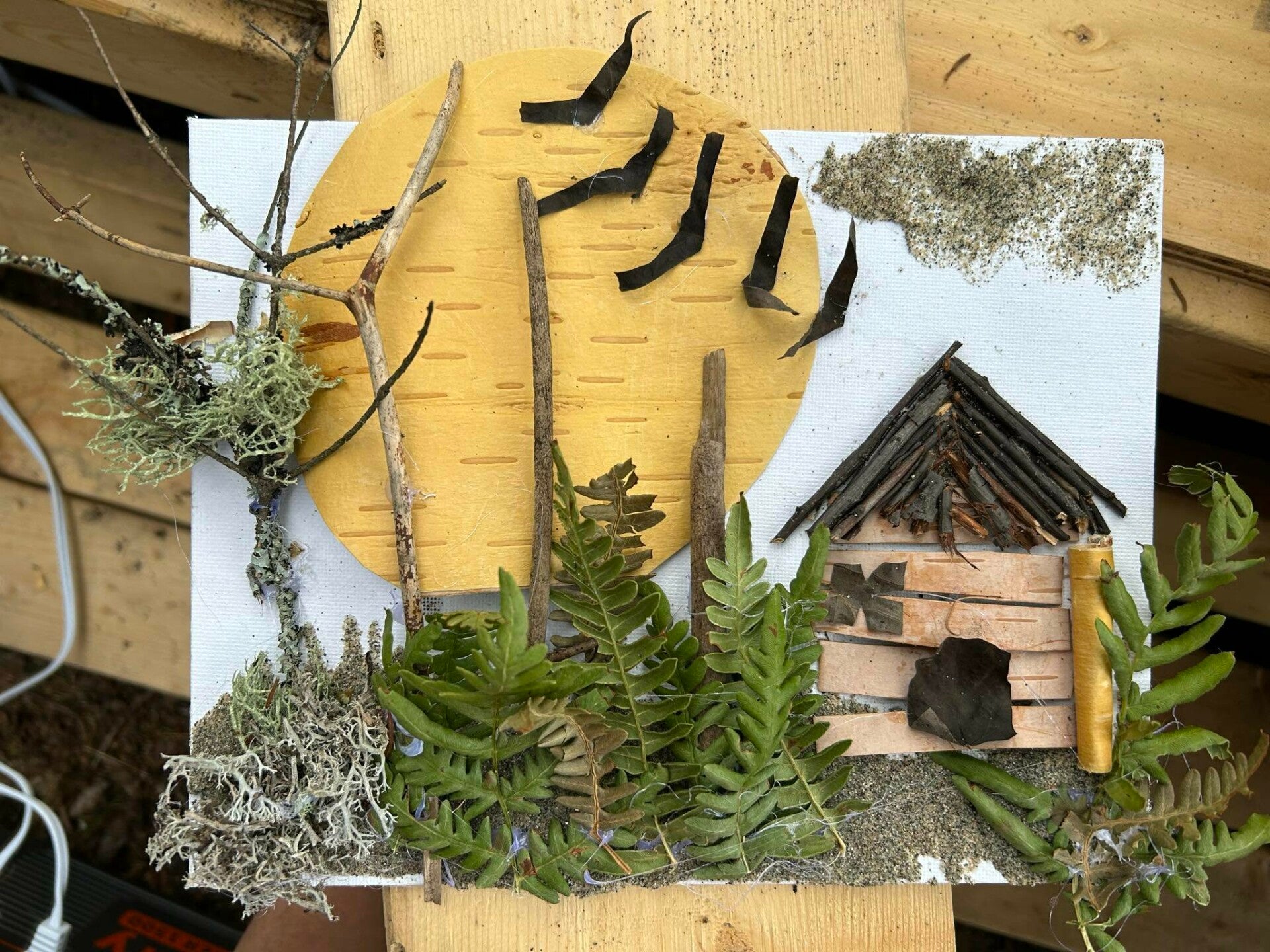
Resources to support learning at home

Learn More

Supporting a child's education through an Anicinabe lens means recognizing that learning isn't confined to a desk; it is a lifelong process rooted in connection, observation, and the Seven Grandfather Teachings . Parents can weave cultural identity into daily academics by grounding lessons in the land, perhaps by practicing counting or biology while gathering traditional medicines or observing the seasonal changes of the local ecosystem.  Traditional stories and incorporating the Anicinabe language into household routines, parents provide a cognitive "home base" that validates the child's heritage while strengthening their literacy skills. 

Ideas That May Help

  • Practical Land-Based Learning: Take lessons outside. Whether it's identifying local plants, tracking weather patterns, or observing the seasons, connecting curriculum to the environment honors the Anicinabe belief that the Earth is our first teacher.
  • Integrate Anicinabemowin: Even if you are still learning the language yourself, use Migwetc (thank you), Kwe (hello), or names for animals and household items. This builds a strong cultural foundation and cognitive flexibility.

  • Apply the Seven Grandfather Teachings: Use these values ​​to frame academic challenges. For example, use Sogidendamowin (Courage) when tackling a difficult math problem, or Tebwetamowin (Truth) when reviewing history.

  • Value Oral Traditions: Encourages literacy through storytelling. Listening to Elders or sharing family stories helps develop critical thinking, memory, and listening skills that are vital for classroom success.

  • Establish a Holistic Routine: Support the "Whole Child" by ensuring they have a balance of physical activity, spiritual reflection (such as smudging or quiet time), emotional support, and mental stimulation.

  • Connect with the School: Act as an advocate for your child. Ensure that Indigenous perspectives are being respected in the classroom and share cultural resources with teachers to enrich the learning environment for everyone.

  • Hands-on Mathematics: Use traditional crafts like beading, finger weaving, or building to teach geometry, patterns, and counting. These activities transform abstract concepts into tangible skills.

Downloadable Activity Sheets & Flashcards